
Do You Need Mold Prevention Tips For A Bergen County, NJ Home? Healthy Living Mold Inspections Can Help!
If you are looking for mold prevention tips in Bergen County, NJ, it all starts with keeping your home dry because it is the single most effective way to prevent mold. Mold needs moisture to grow, and Bergen County, NJ’s humid summers, older housing stock, and frequent basement/crawl-space issues make moisture control especially important.
Whether you live in Ridgefield, Ridgefield Park, Fort Lee, Edgewater, or any surrounding area town, these practical mold prevention strategies will help reduce the risk of mold growth in your home. And if it seems that mold has set in, contact Healthy Living Mold Inspections today!
The Most Common Mold Prevention Tips We Get From Bergen County, NJ Homeowners
Q I: What humidity level prevents mold growth?
A: Keep indoor humidity below 60%, ideally between 30–50%.
Q II: How can I prevent mold in my Bergen County basement?
A: Ensure proper grading away from the foundation, keep gutters clear, control indoor humidity with a dehumidifier, and address any water intrusion immediately.
Q III: Should I hire a mold inspector even if I don’t see mold?
A: Yes. Mold can grow in hidden areas. An inspection can detect elevated moisture and early growth that is not visible.
Why Does Moisture Control Matter in Bergen County, NJ?
Many homes in Bergen County sit on older foundations or have unfinished basements and crawl spaces. Ground moisture can seep through cracks, and high indoor humidity creates ideal conditions for mold. Preventing excess moisture is far easier (and less expensive) than dealing with a full mold problem later.
How Do You Reduce Moisture and Prevent Mold?
Here are the most effective steps homeowners in Bergen County can take:
1. Control Indoor Humidity
* Run dehumidifiers and air conditioning, especially during humid months.
* Use a hygrometer (available at any hardware store) to monitor humidity levels. Keep indoor relative humidity below 60% — ideally between 30–50%.
2. Improve Insulation and Airflow
* Insulate walls, floors, and windows to reduce condensation.
* Ensure air can circulate freely throughout the home. Avoid blocking vents or overstuffing closets and storage areas.
* Have your HVAC system inspected regularly so it can properly remove moisture from the air.
3. Fix Leaks Immediately
* Check under every sink and around kitchen and bathroom fixtures for drips or moisture.
* Inspect the refrigerator drip pan and empty it as needed.
* Look for discoloration on the floor around the refrigerator or ice maker — a common sign of a slow leak.
* Address any plumbing or appliance leaks right away. Even small, ongoing leaks can lead to hidden mold.
4. Protect Basements and Crawl Spaces
* Make sure the ground around your foundation slopes away from the house so water drains outward, not toward the foundation.
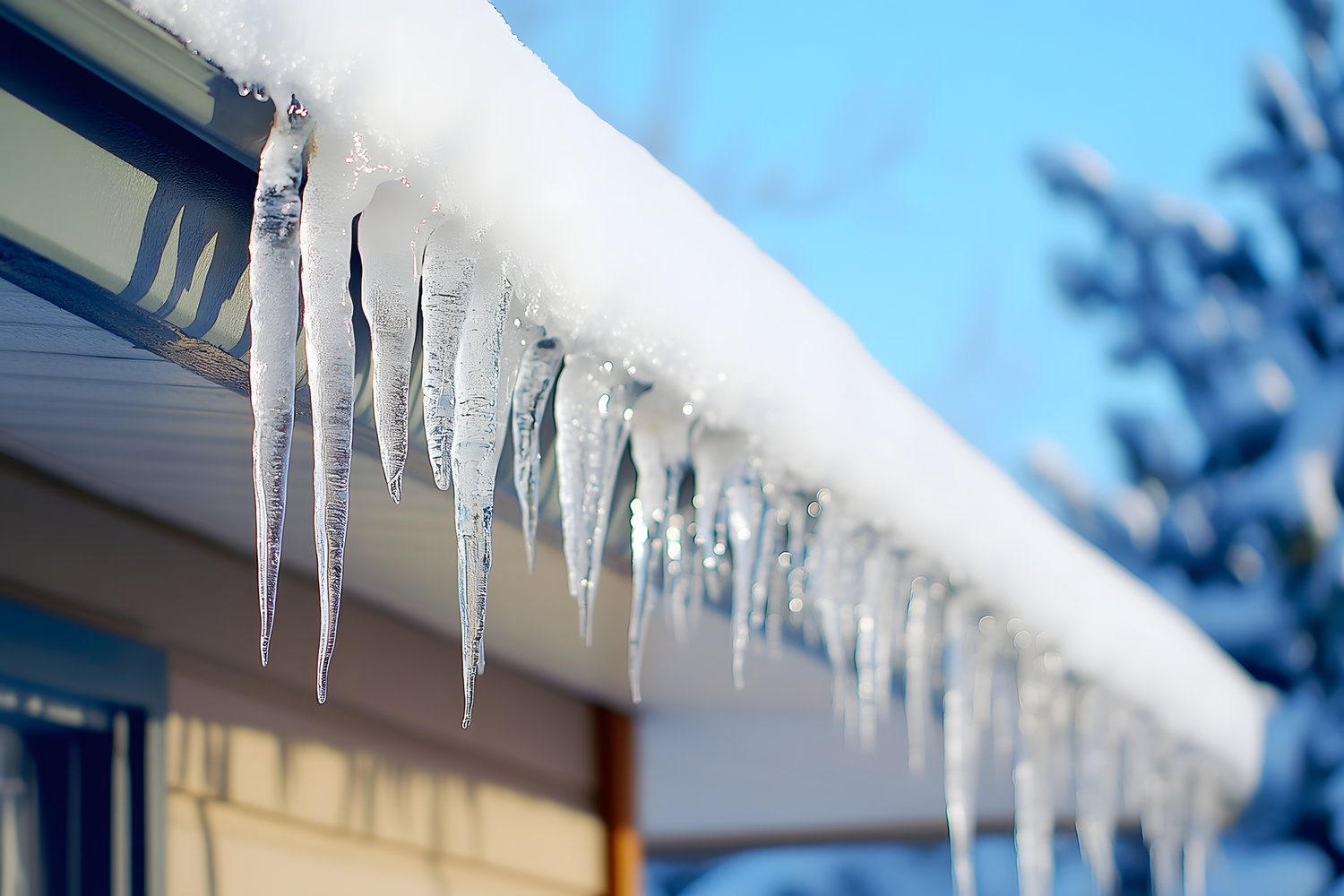
* Keep gutters and downspouts clear of debris and ensure they direct water away from the foundation.
* Address any water entry points in basements or crawl spaces promptly.
5. Reduce Everyday Moisture Sources
* Vent your clothes dryer to the outside so humidity doesn’t stay in the laundry room.
* Open a window or run the exhaust fan when showering.
* Don’t leave wet towels or clothing in piles.
* After any leak or minor flood, begin the drying process immediately — the first 24–48 hours are critical.
When to Call a Mold Professional, When to Call Healthy Living Mold Inspections!
Even with good prevention habits, some homes still develop moisture problems that aren’t obvious. A professional mold inspection can identify hidden dampness, elevated humidity pockets, and early mold growth before it becomes a bigger issue.
If your home feels damp, has a musty odor, or you’re concerned about past water intrusion, consider scheduling a mold inspection and testing. Identifying whether mold is present, what type it is, and how extensive the problem is allows you to take the right next steps.
Healthy Living Mold provides mold testing and inspection services throughout Bergen County, NJ, and its surrounding areas. Early detection combined with the prevention steps above is the best way to keep your home healthier and mold-free.